
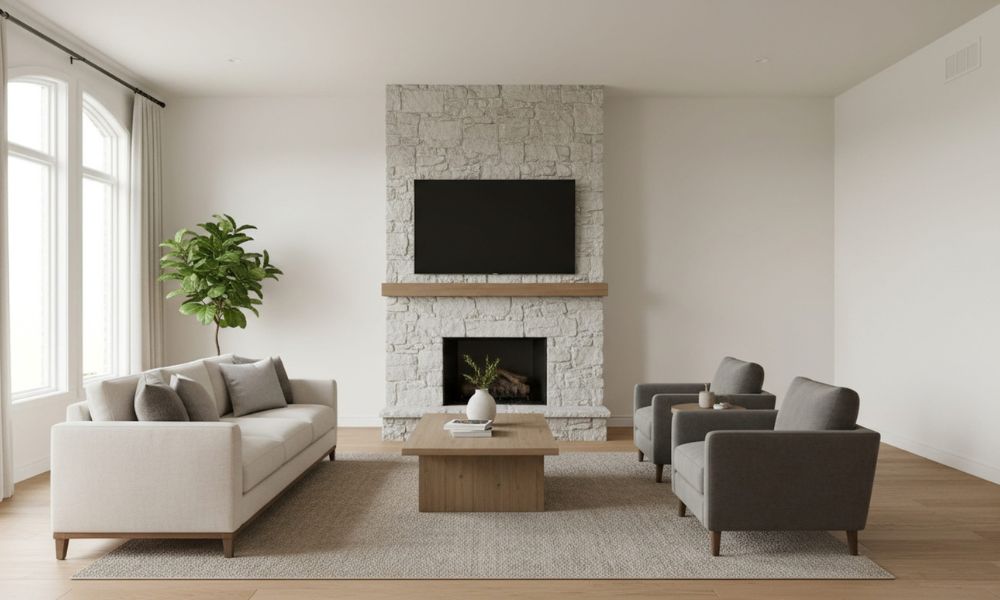
A TV over the fireplace is one of the most debated topics in living room design. Some see it as a perfectly logical place for the screen, especially when the fireplace is the focal point of the room, and others would rather put the TV almost anywhere else.
In my opinion, a TV over the fireplace does not have to be a design mistake, because interior design will always depend partly on personal taste.
But if you want the layout to work, you need to pay attention to TV height, the size of the TV compared with the fireplace, wall temperature, and the seating layout.
Over the years, I have seen good examples in client homes. I have also seen living rooms where the TV ended up almost at ceiling level simply because there was an empty wall above the fireplace.
So before you mount the TV, I would check four things.
First, Set the TV Height Based on Where You Sit
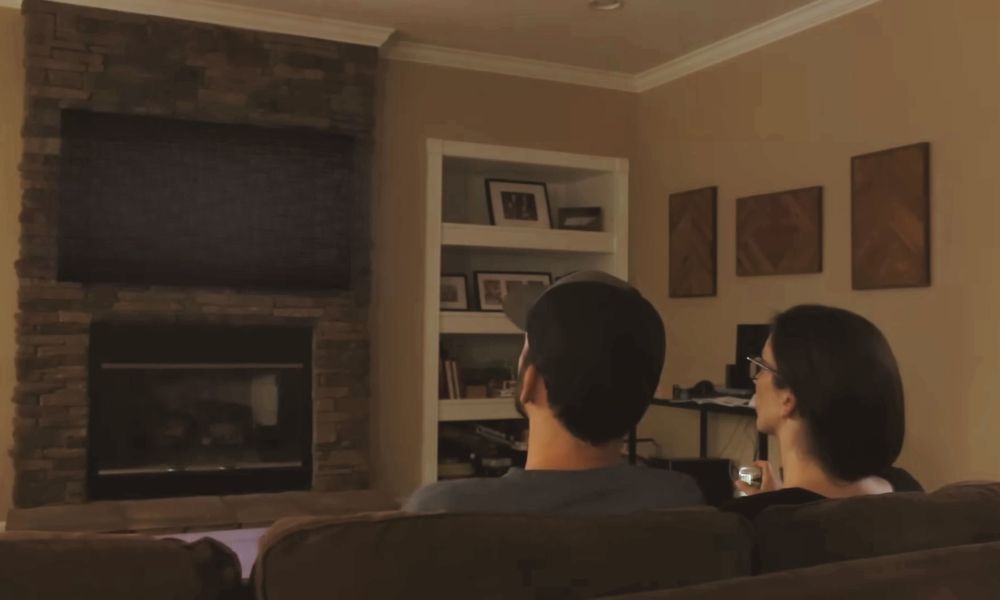
Sit where you usually watch TV. Your eyes should naturally face the screen without the need to keep your head tilted upward. If you notice right away that you need to lean your head back, the position probably will not feel comfortable through a long movie or several episodes of a show.
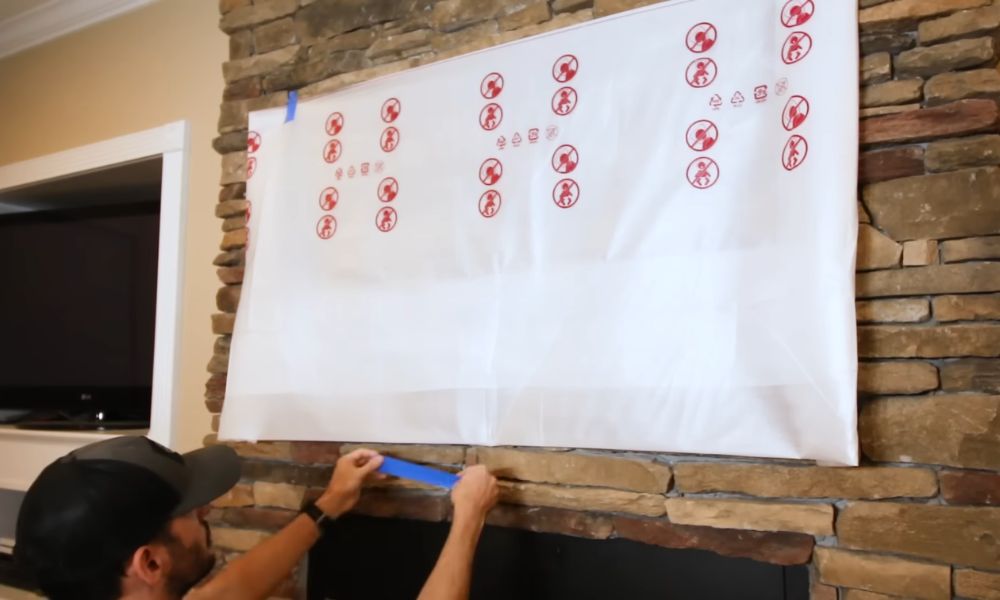
With clients, I usually mark the future TV position with a pencil first. Mark the outline of the screen on the wall, sit on the sofa, and stay there for a few minutes.
You will usually get your answer very quickly.
If you have a tall traditional fireplace with a large mantel, TV placement can become a problem. Modern low-profile gas fireplaces give you much more room for a better TV position. They are also far more common today, so in many newer homes, height may not be much of an issue.
Make Sure the TV and Fireplace Proportions Make Sense
The next question is proportion.
A large TV above a small fireplace can take over almost the entire wall. The opposite can look odd as well. A small screen above a very wide stone fireplace can look like it was added as an afterthought.
With walls like this, I usually look at the whole composition rather than the TV width alone. I pay attention to the amount of space left on each side of the screen. I also compare the TV width with the mantel.
They do not need to be the same width. In fact, I rarely try to match them exactly.
Personal taste matters much more here than it does with screen height. Still, I would not ignore proportion.
Getting the proportions right matters beyond the fireplace wall. An oversized sofa or poorly arranged furniture can make a living room feel crowded, even when the room has plenty of open space.
Check the Wall Temperature Before You Mount the TV
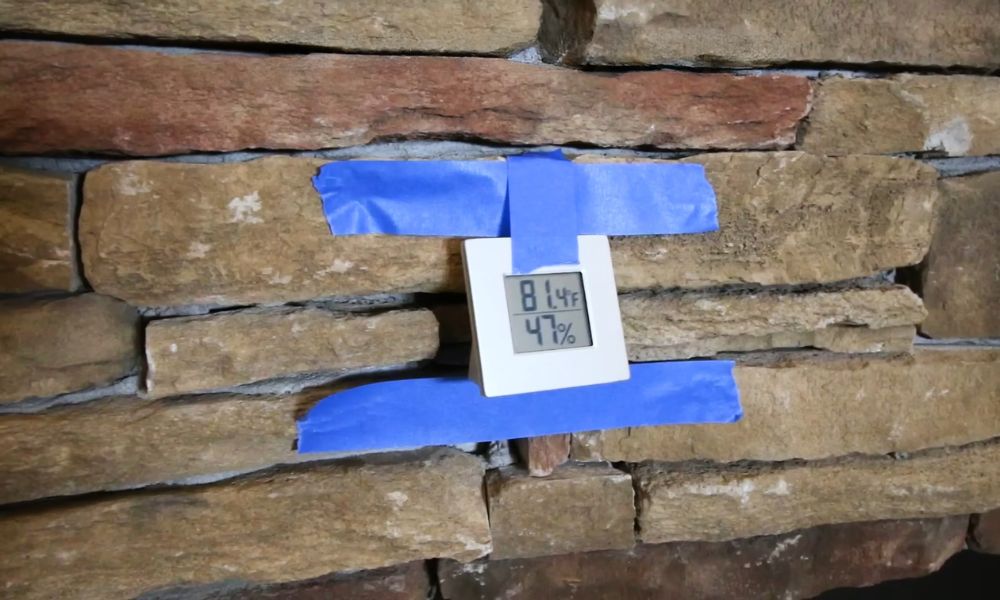
A TV over the fireplace can only work if the temperature at the mount location stays within the limits set by the fireplace and TV manufacturers. For example, Samsung lists a maximum recommended ambient temperature of 40°C in its official TV installation guidelines.
Design has to take a back seat to a technical issue here. Some fireplace systems use channels that redirect heat away from the TV. Heat & Glo, for example, offers a heat management system for certain models that was made specifically for setups like this.
I would not rely on a hand test. A wall can feel reasonably warm and still exceed the temperature limit set by the TV manufacturer.
Adjust the Furniture Layout, Because It Matters
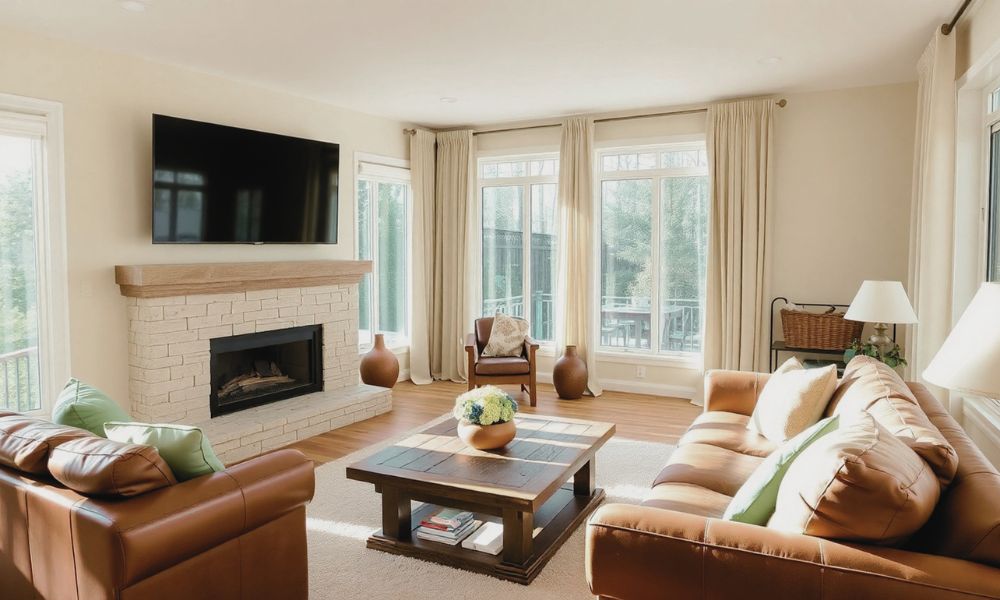
Most clients already have a fairly clear picture of the room before our first conversation. The sofa goes here, two chairs go there, and the TV goes above the fireplace because that is the main wall.
I usually ask one question at that point:
“Okay. How far is the sofa from the TV?”
That is often the moment when we start to measure the room instead of just talking about how we want it to look.
Furniture should sit at a distance that suits the size of the TV and gives you a comfortable view of the screen. A TV over the fireplace adds one more limit. The sofa and chairs should not sit so close to the fireplace that the heat becomes uncomfortable when the fire is on.
If you’re unsure where to position the sofa and chairs, start with a practical living room furniture layout that balances comfortable TV viewing with enough space to move around.
Small Details That Often Ruin the Final Result
Once the installation is complete, small details that did not seem important before suddenly become obvious.
The TV can be in the right place, yet a few poorly planned details can hurt the overall result.
I notice a few problems more often than others:
- Cables get left until the end. Clients often choose the TV and wall mount first. Only later do they ask where the outlet, HDMI cable, or soundbar connection will go. The result can mean extra work or visible cables across the wall.
- Too much decor ends up below the screen. Tall vases, candlesticks, and picture frames on the mantel can block part of the view. On a wall like this, I would usually keep the number of objects lower.
- The wall mount gets chosen without a side view check. A large movable mount can push the TV quite far away from the wall. On a slim fireplace surround, even a few extra inches can become very noticeable.
- Nobody leaves room for the soundbar. The TV can fit perfectly, and then there is no room left for the speaker. I have seen that more times than I would expect. I never check TV dimensions without also checking the equipment that will sit around it.
My advice is simple: before the first hole goes into the wall, mark out the entire setup. Treat the TV, wall mount, soundbar, and outlets as one system rather than four separate purchases.
One Last Thing
If you plan to put a TV over the fireplace, look at the entire living room first, not just that wall. Check the screen height, furniture distance, wall temperature, and the TV’s relationship with the rest of the space.
If you have to sacrifice comfort, safety, or a good furniture layout just to get a symmetrical wall, I would look for another place for the TV.
In this video, you can see the whole procedure for installing your TV.